Your Guide to Dog Friendly Living in St. Louis Hills
April 16, 2026
April 16, 2026
If your dog is part of how you choose where to live, St. Louis Hills deserves a close look. You want more than a house with a yard. You want an easy daily routine, good walking options, and a neighborhood that makes life with a dog feel simple. In St. Louis Hills, that conversation starts with parks, walkability, and how each block functions day to day. Let’s dive in.
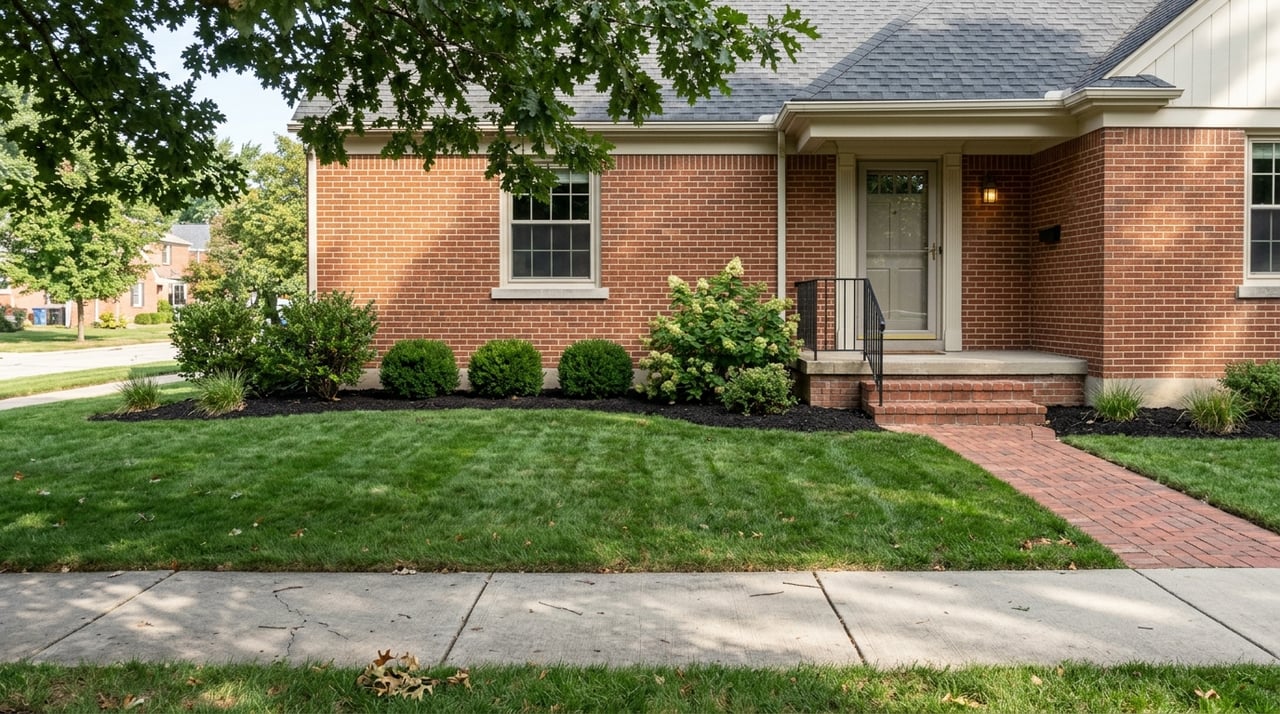
St. Louis Hills sits in southwest St. Louis and is bounded by Chippewa, Hampton, Gravois, and the city limits. According to the City of St. Louis neighborhood overview, it is one of the last large expanses developed within city limits, with most residential growth happening from the 1930s through the 1950s.
That matters if you are house hunting with a dog. The neighborhood has a strong mix of owner-occupied single-family homes, along with some condos and apartments, so your options can vary from block to block. Commercial activity is mainly concentrated along Hampton and Chippewa, which means interior residential streets may offer a quieter feel for everyday walks.
Another major plus is the park network. The city identifies Francis Park, Willmore Park, and River Des Peres Park as part of the neighborhood, giving dog owners several ways to build a routine that is not limited to their own yard.
If you ask what gives St. Louis Hills its identity, Francis Park is a big part of the answer. The city calls it the center of the neighborhood, and that central location makes it a natural anchor for dog owners.
Francis Park spans 60.3 acres and includes a range of recreation amenities, from tennis courts to athletic fields and playground spaces. For dog owners, the bigger takeaway is how easily it fits into a daily leash-walk routine.
The city also notes that streets around Francis Park are tree-lined and bordered by well-maintained homes and community institutions. That helps explain why this area often feels appealing for regular walks, quick outings before work, and relaxed evening laps.
There is also evidence of ongoing pedestrian investment near the park. The city’s Francis Park Midblock Crosswalk Project includes intersection improvements such as bump-outs, enhanced crosswalk striping, rectangular rapid flashing beacons, and ADA curb ramps. If you are thinking about safe circulation on foot, that is a meaningful detail.
For many dog owners, a neighborhood becomes much more useful when there is an official off-leash option nearby. In St. Louis Hills, that standout resource is Willmore Park.
Willmore Park covers 105.61 acres and includes lakes, pavilions, a disc golf course, a pet-friendly walking path, and a dog park. That gives you flexibility if your ideal routine includes both leashed walks and dedicated off-leash play.
The Southwest City Dog Park at Willmore Park is fenced and cannot be reserved. The city states that it requires annual dues or membership, proof of shots, and agreement to dog park rules. If easy access to a city-designated dog exercise area matters to you, proximity to Willmore Park can be a very practical home search factor.
Some dogs do best with more space and longer outings. If that sounds like your household, River Des Peres Park is worth knowing.
River Des Peres Park is a 145-acre park located in both St. Louis Hills and Lindenwood Park. It includes a shared trail, a connection to the River Des Peres Greenway, a bike path, field space, and a playground.
For dog owners, this park adds variety. It can support longer leash walks and trail-linked outings when a few laps around the block are not enough. That broader greenway connection is one of the reasons St. Louis Hills can appeal to buyers who want more than a simple yard-and-sidewalk setup.
Before you buy, it helps to understand the city’s basic pet rules. In St. Louis, dogs and cats must be leashed and securely held whenever they are off the owner’s property, except in city-designated dog exercise parks. The city also states that no dog or cat may be at large on a public street, park, or other public space under its animal laws.
That means your everyday routine matters. A nearby park loop is useful, but so is knowing where your dog can legally be off leash and where it cannot.
The city also limits outdoor tethering. If a yard is used instead of a leash, tethering is limited to 10 continuous hours or 12 total hours in a 24-hour period, and the tether must be at least 15 feet long and attached to a proper harness or collar.
In practical terms, this is why dog owners should not assume that any backyard will work. Fence condition, gate security, and usable outdoor space are worth close attention during showings.
If you are moving into the city, pet registration is another important step. The city requires rabies vaccination and registration for dogs and cats, and new residents have a 30-day grace period to complete registration.
According to the city’s pet registration page, rabies vaccination is the only vaccination required by ordinance. The listed city fee schedule is $50 for intact pets and $4 for spayed or neutered pets, and the registration tag must stay attached to your pet’s collar or harness at all times.
For support, the city’s Animal Care and Control division handles registration, enforcement, shelter operations, lost-pet issues, and reports involving stray, injured, sick, or aggressive animals. The city also lists local pet resources including CARE STL, Stray Rescue, Humane Society of Missouri, Carol House Quick Fix Pet Clinic, Operation SPOT, BARC, and Bi-State Pet Food Pantry.
In St. Louis Hills, the best dog-friendly home is not always the one with the biggest yard. It is the one that supports your real routine.
Start with the basics during your search:
Street location can make a real difference. Because commercial activity is mainly along Hampton and Chippewa, homes on those edges may feel busier than homes on interior blocks. If calm daily walks are high on your list, it may make sense to focus more attention toward the middle of the neighborhood and near park access.
The housing stock also rewards an in-person, property-by-property approach. Since much of the neighborhood was built between the 1930s and 1950s, yard layout, fence potential, sidewalk exposure, and traffic feel can vary more than you might expect from one block to the next.
When you visit homes in St. Louis Hills, try to evaluate the area the way you would actually live in it. A pretty house can look very different once you think through early-morning potty breaks, rainy-day walks, and where you would go for off-leash exercise.
A few smart questions to keep in mind:
Those details can shape your day-to-day life as much as square footage or finishes. In a neighborhood like St. Louis Hills, small differences in location can have a big impact on how dog-friendly a home feels.
Dog owners often need more than a standard home search. You may be comparing not just price and layout, but also walking routes, park access, yard usability, and how a block feels at different times of day.
That is where neighborhood-level guidance matters. If you are trying to narrow down the right part of St. Louis Hills for both you and your dog, working with someone who understands the area block by block can save time and help you make a more confident decision.
If you are planning a move and want help finding a home that fits your lifestyle, connect with Stacy Deutschmann. She can help you evaluate St. Louis Hills with the practical details that matter to you, your household, and your pets.
Let me guide you through the complexities of buying or selling your home, eliminating hassles and stress. I look forward to working with you!