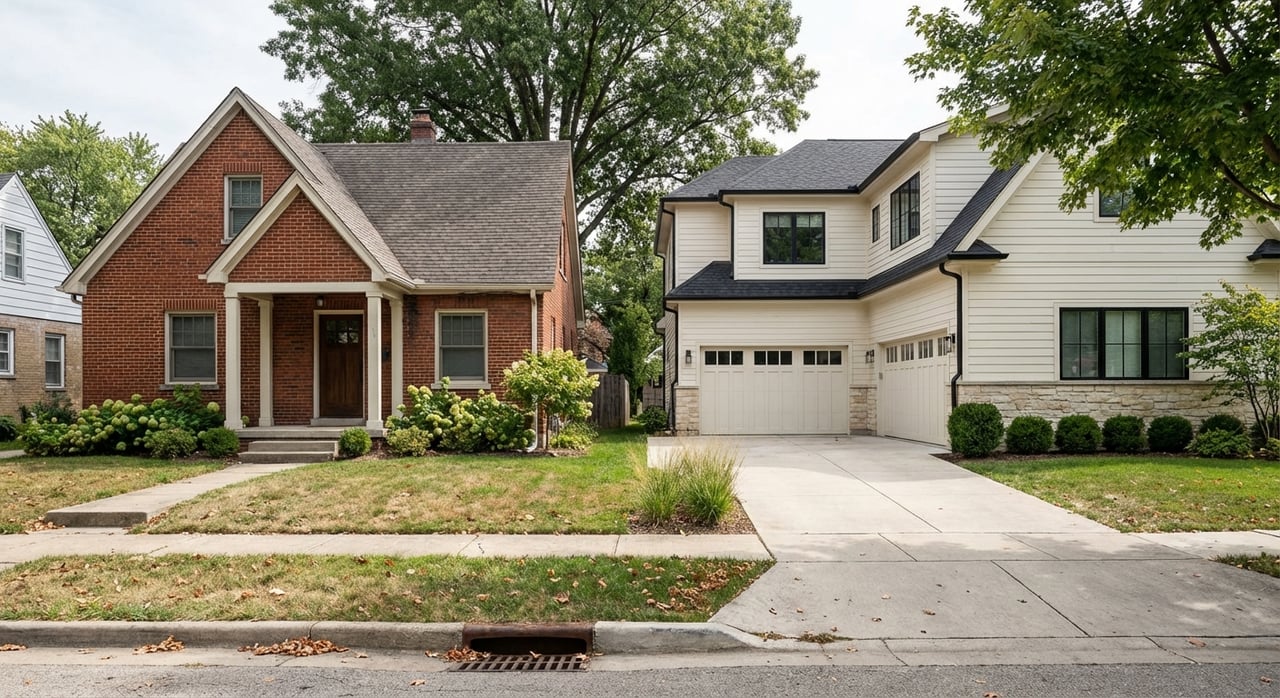
Kirkwood New Construction vs Historic Homes: How to Choose
February 19, 2026
February 19, 2026
Torn between timeless character and brand-new convenience in Kirkwood? You are not alone. Choosing between a historic home and new construction touches everything from your daily routine to your monthly bills. In this guide, you will compare lifestyle, costs, and local rules so you can make a confident, Kirkwood‑smart choice. Let’s dive in.
Kirkwood is one of St. Louis’s most established inner-ring suburbs with roots dating back to the 1850s, which is why you see so much preserved architecture near the core of town. You get a true sense of place around downtown, including a historic rail station and civic landmarks that anchor the community’s identity. For day-to-day living, a central location in town scores very high on walkability, with easy access to dining and errands near the business district. If you want a car-light lifestyle, focus your search close to the core where the walk score is strongest.
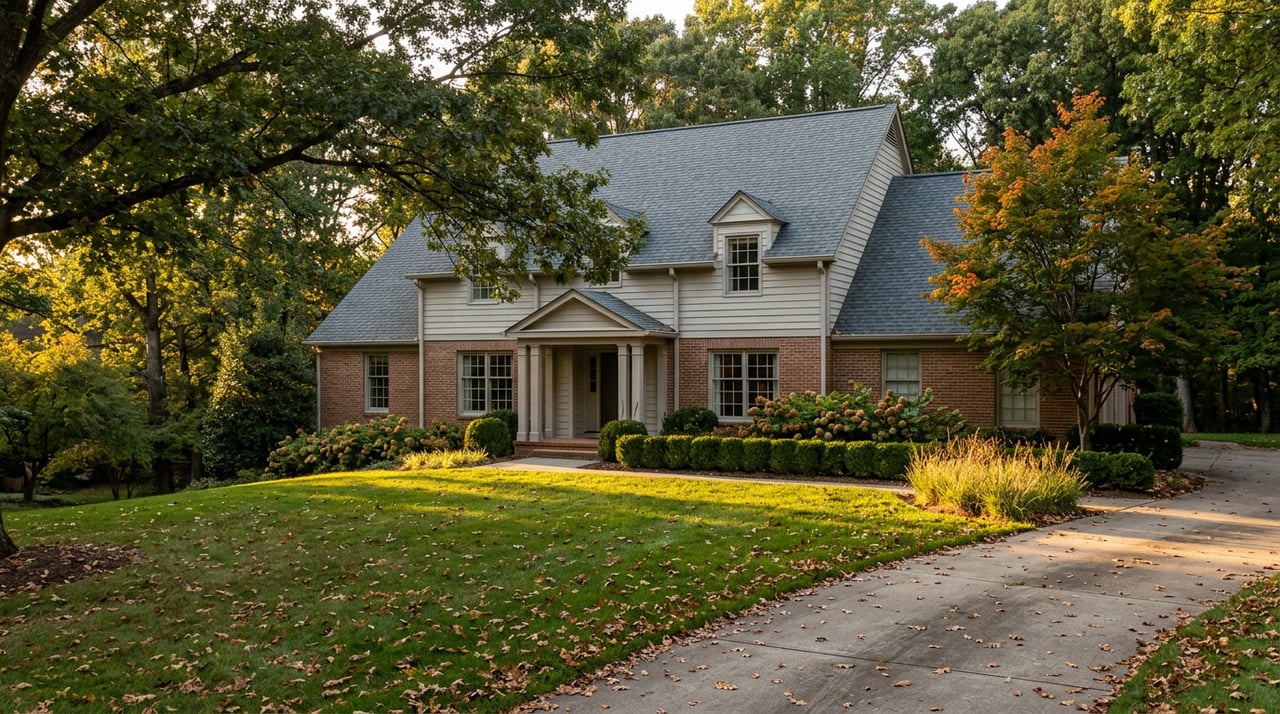
Historic homes in Kirkwood typically date from the late 19th to mid 20th century. You will see Victorian and Italianate influences, Craftsman bungalows, and early suburban styles clustered near downtown and in designated historic neighborhoods. Some properties carry landmark status or sit within locally recognized districts that help preserve architectural character. If a house has a designation, exterior changes and demolitions can trigger a review process.
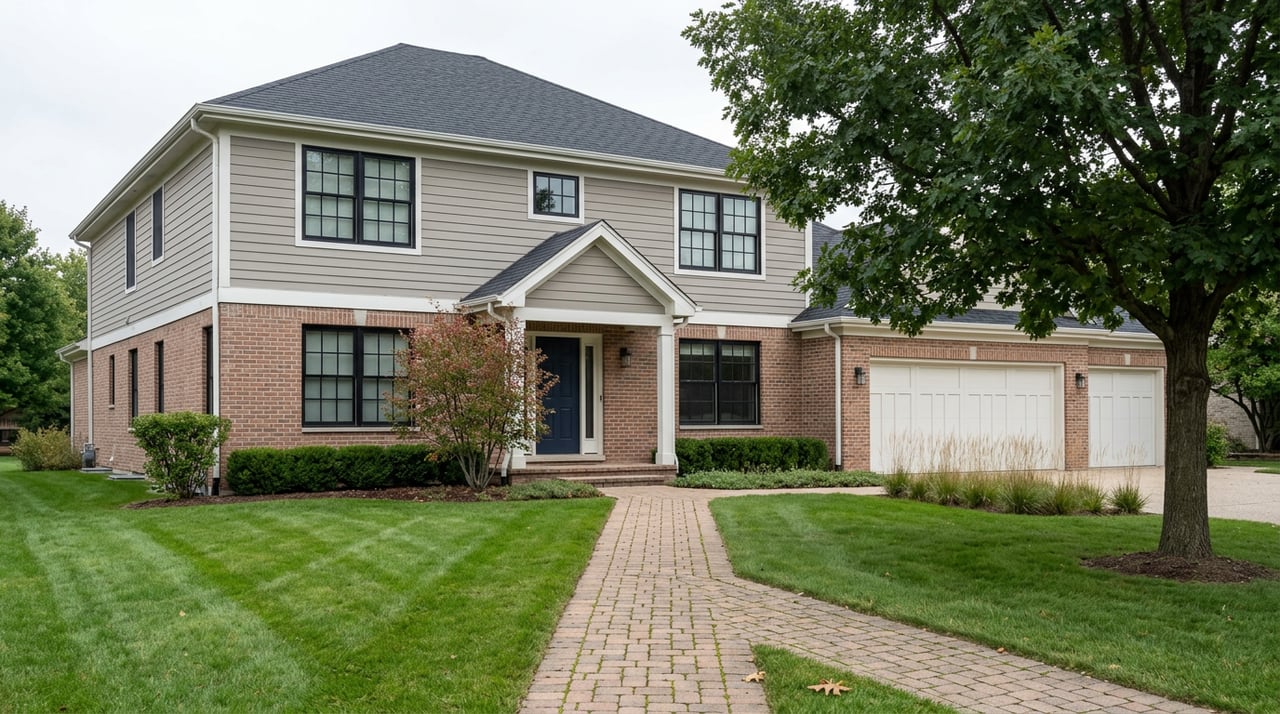
Inside Kirkwood, most new construction happens as infill. Builders replace an older home with a new build on the same lot, develop a small enclave, or add larger homes in outlying pockets. You are not choosing from huge master-planned subdivisions near the historic core. Many new builds emphasize modern layouts and energy performance, often with builder warranties and more predictable operating costs.
If you want to stroll to coffee, parks, and dinner, focus on homes in or near downtown. Central blocks are very walkable, and the historic Amtrak station offers regional rail service for occasional trips. Farther out, you will rely more on your car but may gain larger lots and quieter streets.
Representative listings across Kirkwood often sit on lots in the 0.2 to 0.8 acre range, with occasional larger parcels around or above 1 acre in select pockets. Infill new builds can occupy smaller footprints around 7,000 to 10,000 square feet. If you value mature trees and expansive yards, a historic block may give you more variety.
Historic homes offer original woodwork, varied façades, and streetscapes that feel one-of-a-kind. New construction prioritizes open-concept living, big kitchens, and plentiful storage. If you want the charm of yesterday with today’s function, look for historic homes that were thoughtfully modernized.
A simple rule of thumb is to set aside about 1% to 4% of a home’s value per year for routine maintenance and smaller repairs. Older homes often sit toward the higher end of that range because of age-related system updates. Common big-ticket projects include electrical rewiring, insulation removal and replacement, roof work, and sewer or drainage fixes. Costs vary widely by scope, so build your budget around a detailed inspection and contractor bids.
Contemporary new construction can be substantially more efficient than older resale homes. Nationally, recently built homes often achieve HERS scores in the 40s to 50s, while many older homes score above 100. ENERGY STAR guidance notes certified new homes can be 20 to 30 percent or more more efficient than standard builds, which can translate into lower utility bills. If an older home was thoroughly retrofitted, ask for documentation of insulation, air sealing, window upgrades, and any HERS or blower-door testing.
Insuring an older home can cost more if electrical, plumbing, roof, or structural elements are outdated. Many insurers price higher or require modernizations to meet underwriting standards. Newer homes built to current codes can qualify for lower premiums because they carry a lower perceived risk. No matter the age, get an insurance quote early so you can compare true monthly costs across properties.
Kirkwood maintains local registries and a Landmarks Commission that reviews exterior changes and demolitions for designated properties and districts. This process helps preserve neighborhood character but can add time to permits. Before you plan a major exterior project or a teardown-rebuild, confirm whether your address is in a designated area and ask about review timelines.
If you love historic character but need updates, consider a renovation mortgage. FHA 203(k) loans let you combine the purchase and rehab costs into a single loan, with both limited and standard options depending on scope. Conventional alternatives like Fannie Mae HomeStyle Renovation can also bundle improvements into one mortgage. For energy upgrades, look into federal tax credits and emerging rebate programs created under the Inflation Reduction Act, plus any local utility incentives.
Use this snapshot to match your must-haves to the right home type.
If you want low near-term work and predictable bills:
If you want walkable charm and unique architecture:
If you want the best blend of character and convenience:
Bring this list to your next tour or offer prep.
Documentation to request
Inspections to schedule
Budget planning
School research
Whether your heart leans toward ornate trim and front porches or you want a sunny great room with modern systems, the right Kirkwood home is out there. You will make the best decision when you factor in lifestyle, maintenance, energy use, and local rules early in the process. If you want a local guide who knows how to balance character, budget, and long-term value, reach out to Stacy Deutschmann. Let’s connect and map your next move with confidence.
Let me guide you through the complexities of buying or selling your home, eliminating hassles and stress. I look forward to working with you!