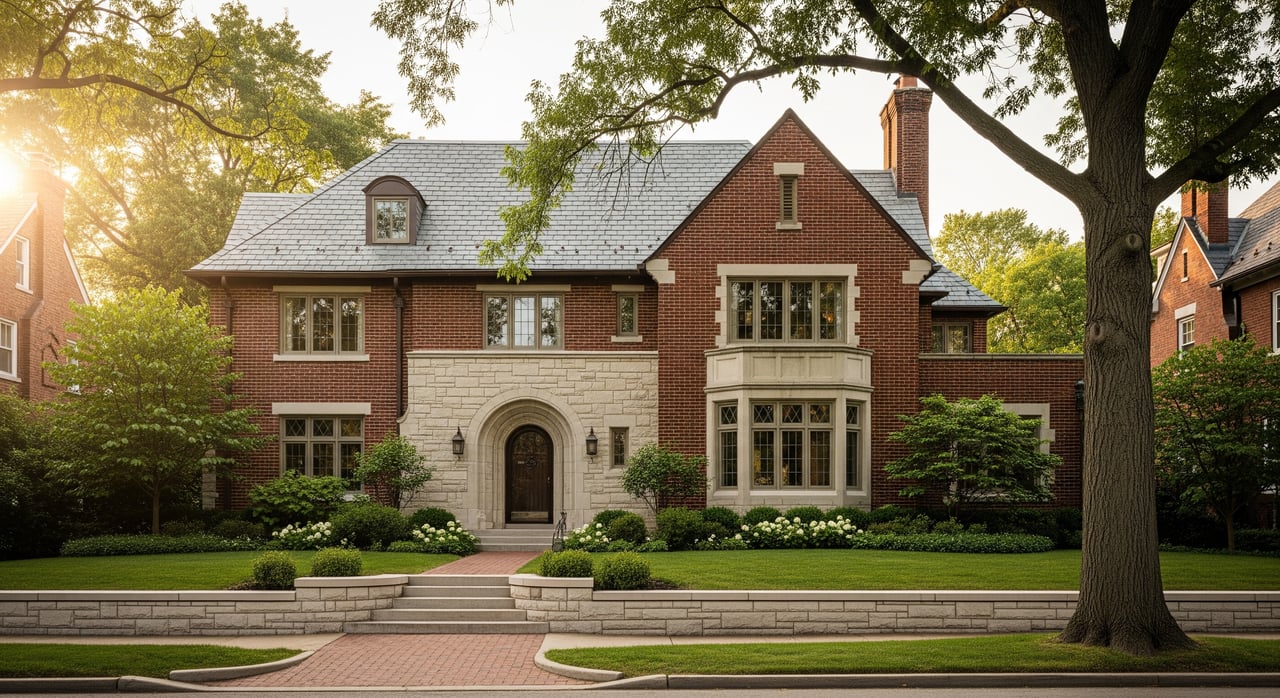
How to Price My St. Louis Hills Home With Confidence
February 5, 2026
February 5, 2026
Not sure what your St. Louis Hills home would bring on the market today? You are not alone. Pricing feels high stakes because it sets the tone for interest, days on market, and your final net. In this guide, you will get a clear, local method to price with confidence using real comps, simple adjustments, and current demand signals. Let’s dive in.
St. Louis Hills is known for early to mid-century single-family homes, including brick Tudors, bungalows, and classic traditional styles. That character shapes your buyer pool and the way comps work. Most buyers here are local or South City buyers who value yard space, neighborhood charm, and proximity to amenities.
Seasonality also matters. Buyer activity often picks up in spring and early summer, which can influence how quickly a well-priced home sells. Mortgage rates impact purchasing power, so if rates move up or down, demand can shift quickly. Keep an eye on supply indicators like active listings and months of inventory, and demand signals like median days on market and the sale-to-list price ratio. These metrics help you set realistic expectations for both price and timeline.
Use this simple process to build a defensible list price range before you finalize a professional CMA.
Start with closed sales from the past 3 to 6 months. If inventory is thin, you can look back up to 12 months. Focus on homes within St. Louis Hills first. If you need more data, expand to nearby South City neighborhoods with similar home types and lot sizes.
Match single-family to single-family, and target properties within about 10 to 15 percent of your finished square footage. Stay within plus or minus one bedroom, and match building vintage when possible. Review three groups: recent closed sales that anchor value, pending sales that show where buyers are agreeing now, and active listings that represent your current competition.
No two homes are identical, so adjust your comps for material differences.
Two practical methods work well:
Cosmetic refreshes like paint or flooring typically help your speed to offer and perceived value. Larger updates, especially kitchens and baths, often command the biggest premiums when the rest of the home aligns.
Create three numbers rather than a single guess.
Compare recent sale-to-list price ratios from closed sales to set expectations about your final sale price relative to list. If ratios sit near or above 100 percent, strong demand is present. If they trail below, buyers have more leverage.
Look at median days on market and months of inventory for St. Louis Hills. When days on market are short and buyers are competing, it can make sense to list close to or slightly above your likely price. If days are rising and inventory is building, price competitively to stand out and reduce the risk of chasing the market.
Active listings are your real-time competitors. Compare photos, updates, and presentation. If your home is in better condition or marketed more effectively, you can justify a stronger price within your range.
Ask your agent for local MLS and St. Louis REALTORS market reports. Use the City of St. Louis Assessor for property records, tax info, and lot sizes. Brokerage market snapshots provide helpful context, and national association reports explain broader trends. Mortgage rate trends from trusted financial institutions help you gauge buyer purchasing power.
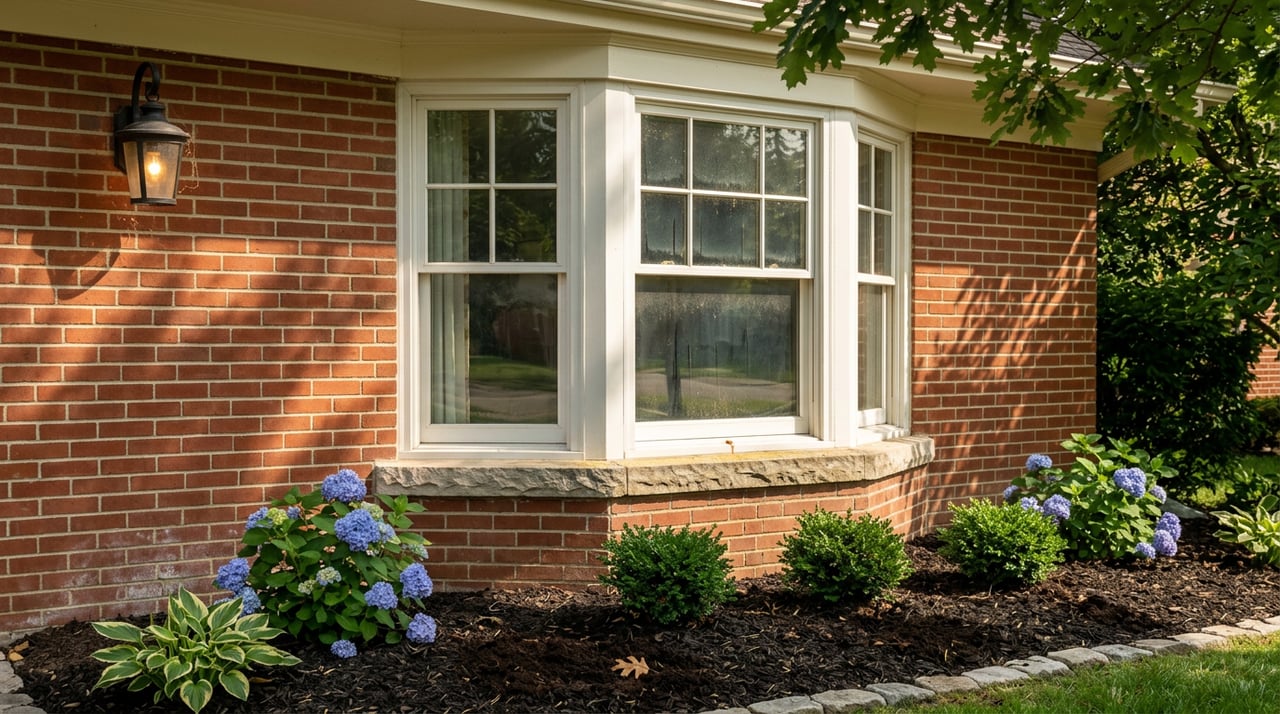
Buyers in St. Louis Hills respond to move-in condition. Homes with updated kitchens and bathrooms, fresh paint, and new or well-kept flooring usually attract more showings and stronger offers. Curb appeal improvements like simple landscaping, a clean entry, and clear address numbers can increase click-through and first impressions.
If you have older systems, consider servicing them and organizing documentation. Receipts and warranties for items like roof or HVAC reduce perceived risk. If there are known defects or deferred items, expect buyers to adjust offers or request credits during inspections.
A pre-listing inspection can surface repairs you can address upfront. It also helps you defend your price if a buyer questions condition. Gather permits, receipts, and warranties for all improvements so buyers feel confident about your home’s value.
Think in price bands that buyers search, such as under a round-number threshold. Positioning at a strategic number can boost visibility. Keep your listing clean and transparent. Strong photos, clear floor plans, and honest condition notes build trust and reduce low offers.
Below is a simplified illustration to show the math behind a price range. Numbers are examples, not a quote for your home.
You would then test this range against active competition, pending sales, days on market, and sale-to-list ratios. If local demand is strong with short days on market, you might list near the likely number or slightly above. If demand is soft, anchoring closer to the low number can help you sell faster and protect your net.
You do not need to guess your price. With the right comps, thoughtful adjustments, and a read on local demand, you can list your St. Louis Hills home with confidence and clarity. If you want a detailed CMA, a pre-listing plan tailored to your timeline, and professional marketing that puts your home in front of the right buyers, reach out to a local expert who knows this market well.
Ready to price and list with a proven plan? Connect with Stacy Deutschmann to get a neighborhood-specific valuation and a step-by-step strategy for your sale.
Let me guide you through the complexities of buying or selling your home, eliminating hassles and stress. I look forward to working with you!