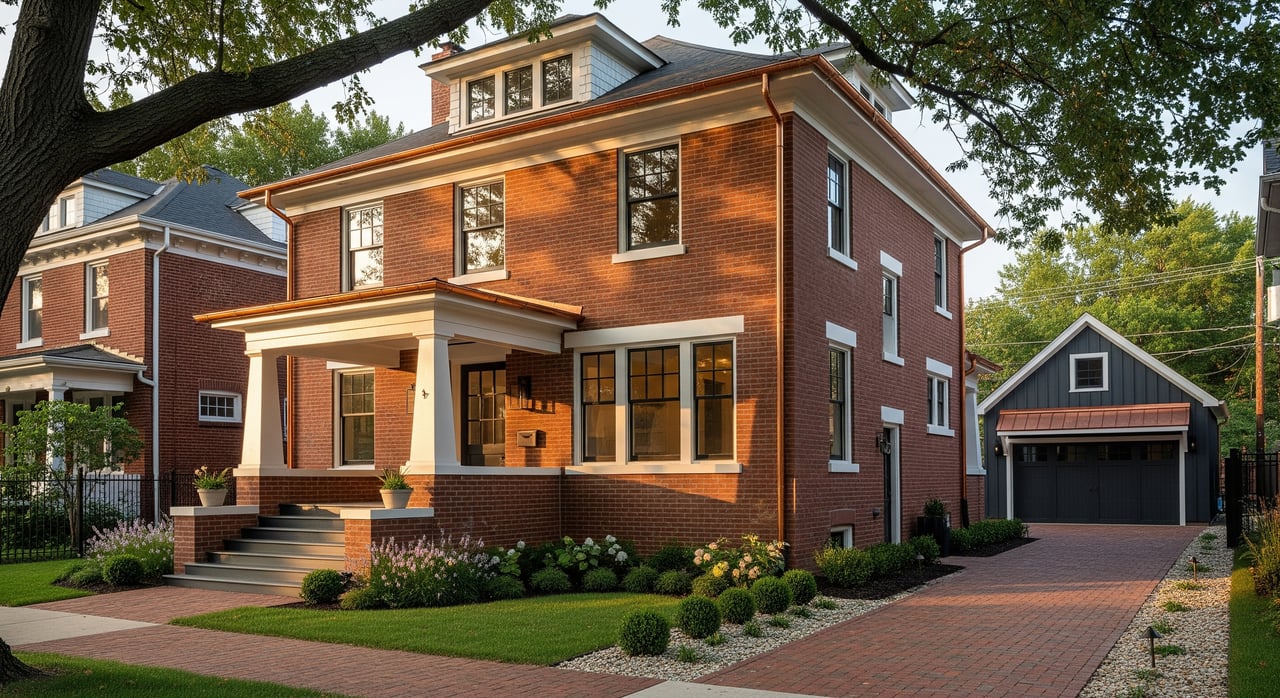
St. Louis Hills Home Updates That Boost Your Sale Price
December 18, 2025
December 18, 2025
Thinking about listing your St. Louis Hills home this spring? You know buyers love the brick charm and tree-lined streets, but they also expect modern comfort and smart updates. The right projects can lift your sale price, shorten time on market, and reduce inspection surprises. In this guide, you’ll learn which updates add the most value to classic St. Louis Hills homes, how to plan them on a spring timeline, and where to start. Let’s dive in.
St. Louis Hills homes often feature solid brick exteriors, original hardwoods, and smaller kitchens by today’s standards. Buyers in this in-town neighborhood want character plus modern function. National buyer research consistently points to updated kitchens and bathrooms, reliable mechanical systems, and better energy efficiency as top priorities.
If you are prepping for spring, focus on improvements that modernize function while preserving original details. Also address deferred maintenance first. Cosmetic work will not overcome concerns about moisture, roofing, electrical, or aging HVAC.
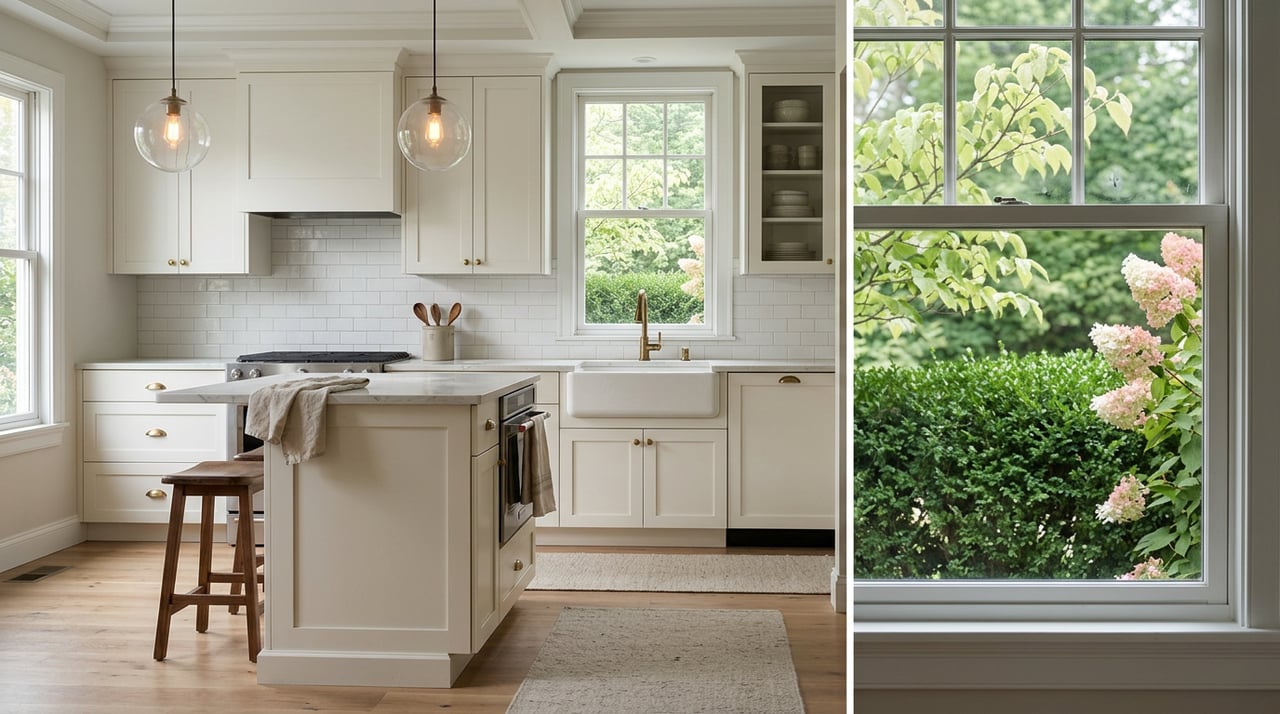
A thoughtful kitchen refresh is one of the highest-impact moves you can make before listing in St. Louis Hills. You do not need a full gut to earn buyer attention.
These updates typically take one to two weeks. They respect the scale of older kitchens and often deliver strong emotional appeal at lower cost.
Expect three to six weeks for midscope work. Layout changes and moving plumbing increase cost and usually trigger permitting.
A full kitchen remodel can shine if comps in your price band support it. This includes new cabinetry, layout changes, and high-end appliances. Plan for six weeks or longer and confirm permits with the City of St. Louis Building Division. Use neutral finishes that complement brick-era character to keep broad buyer appeal.
Bathroom improvements rank high with buyers and can be completed on a short timeline.
Most powder rooms can be refreshed in days to about a week and instantly improve perceived condition.
A full bath update typically takes two to four weeks. Avoid over-customizing. Clean, classic choices sell best.
In older homes, moisture control is critical. Correct ventilation and any leaks before new tile or paint goes up. This protects your investment and helps you move through inspections smoothly.
A well-done basement can add flexible living space that attracts St. Louis Hills buyers seeking value. The key is doing it right.
Before framing, solve any water issues. Common needs include perimeter drains, a sump pump, correcting grading and gutters, and sealing or repairing foundation cracks. Finishing a damp basement can ruin the project and spook buyers during inspections.
If you plan a bedroom or living area, confirm ceiling height and egress requirements with the City of St. Louis. Egress windows and code compliance matter for safety and resale. Unpermitted work can reduce buyer confidence and may need to be disclosed.
Most basement finishes take four to twelve weeks depending on scope and moisture mitigation. Big cost items include waterproofing, insulation, HVAC extensions, plumbing for a bath, and egress windows. Partial finishes, like a rec room with storage, can be more cost-effective than a full suite.
Energy-efficient homes feel better, show better, and often win in head-to-head comparisons.
For older brick homes, air sealing and adding attic insulation usually offer the best comfort-to-cost ratio. Guidance from energy authorities highlights these as first-step upgrades. They can be completed in one to three days and reduce drafts, hot upstairs rooms, and utility costs.
Servicing your existing HVAC or replacing an outdated unit upgrades reliability and buyer confidence. Add a smart thermostat and LED lighting for a visible, modern touch. Consider water heater upgrades or insulation and pipe insulation for efficiency and comfort.
Check current programs from Ameren Missouri for residential energy rebates on insulation, HVAC, heat pumps, and smart thermostats. Federal tax credits may also apply to qualifying improvements. Confirm eligibility and keep documentation to share with buyers.
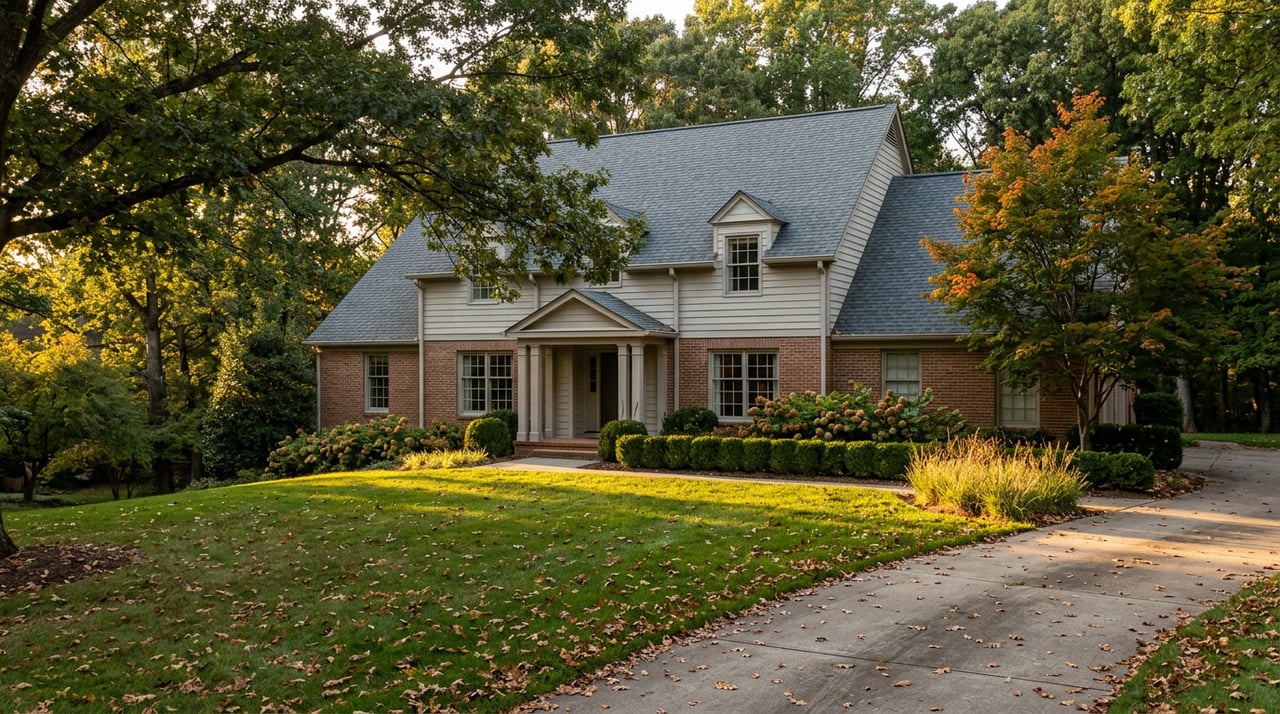
Brick homes already have presence. A targeted exterior tune-up makes a strong first impression in listing photos and at showings.
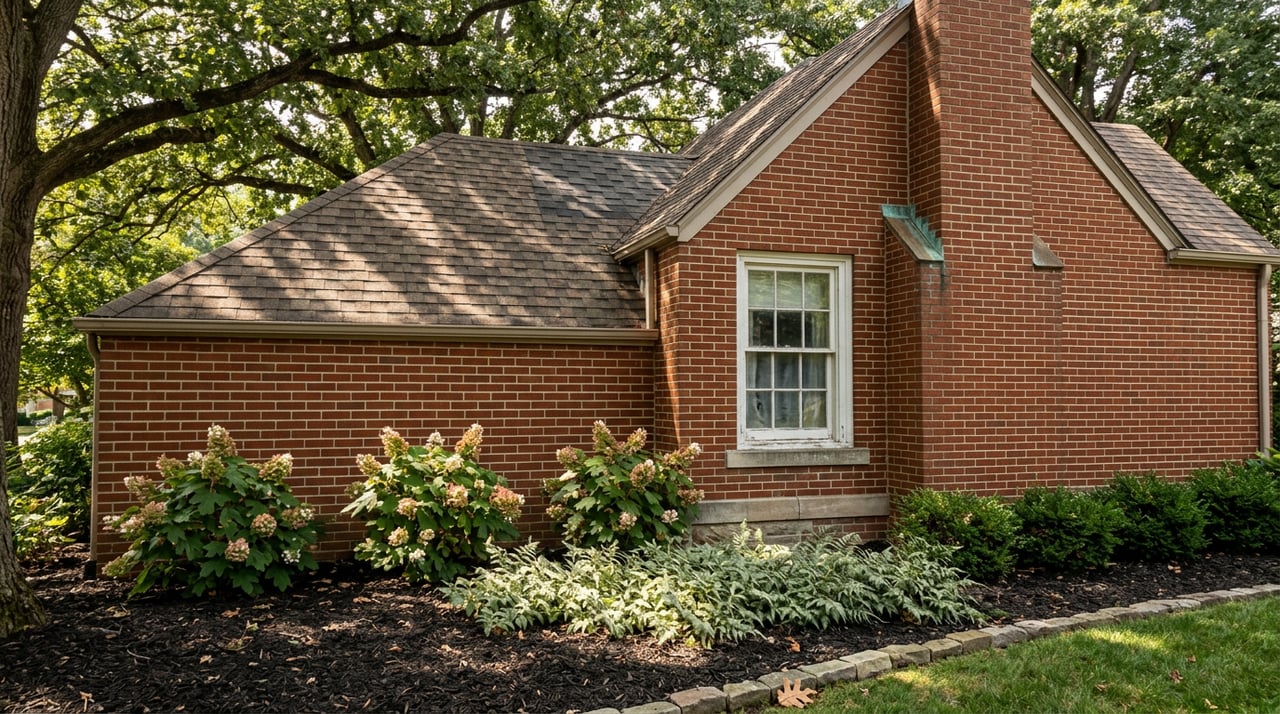
Hire experienced masons for tuckpointing and mortar repairs only where needed. Avoid aggressive power washing that can damage masonry. Inspect and repair lintels, steps, flashing, and any damaged brick to prevent leaks and inspection issues.
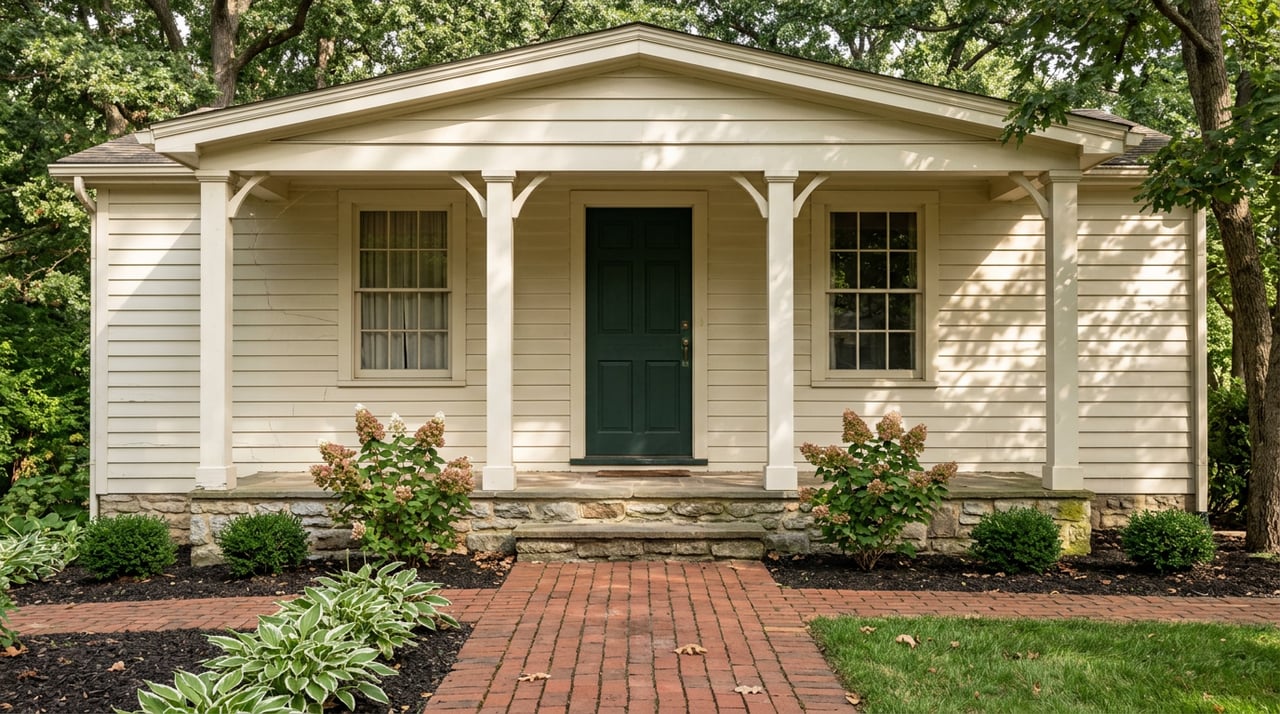
Update exterior lighting for safety and style. Freshen paint on trim and railings. Simple landscaping with mulch, seasonal plantings, and walkway repairs offers a high return, especially for spring listings.
Buyers and inspectors notice systems first. Address these before cosmetics:
Fixing these items up front reduces renegotiations and protects your timeline.
Work backward from your ideal list date. A simple sequence helps you stay on track.
Build a small contingency budget of 5 to 10 percent for surprises common in older homes.
The City of St. Louis generally requires permits for structural changes, major electrical, plumbing, HVAC, and egress work. Cosmetic updates like paint and hardware usually do not. If your home falls within a local historic district, exterior changes may need Preservation Office review.
Choose contractors with experience in older brick homes. Ask for references, insurance, and examples of similar St. Louis projects. For insulation and air sealing, consult an energy auditor or a contractor familiar with masonry and vapor management.
A clear plan keeps your budget focused on what matters most.
Ready to map the exact updates that will help your St. Louis Hills home sell strong this spring? Connect with Stacy Deutschmann for a custom pre-list improvement plan, local contractor recommendations, and data-backed pricing guidance.
Let me guide you through the complexities of buying or selling your home, eliminating hassles and stress. I look forward to working with you!